Custom vs Standard Cosmetic Packaging: Which Is Right for Your Brand?
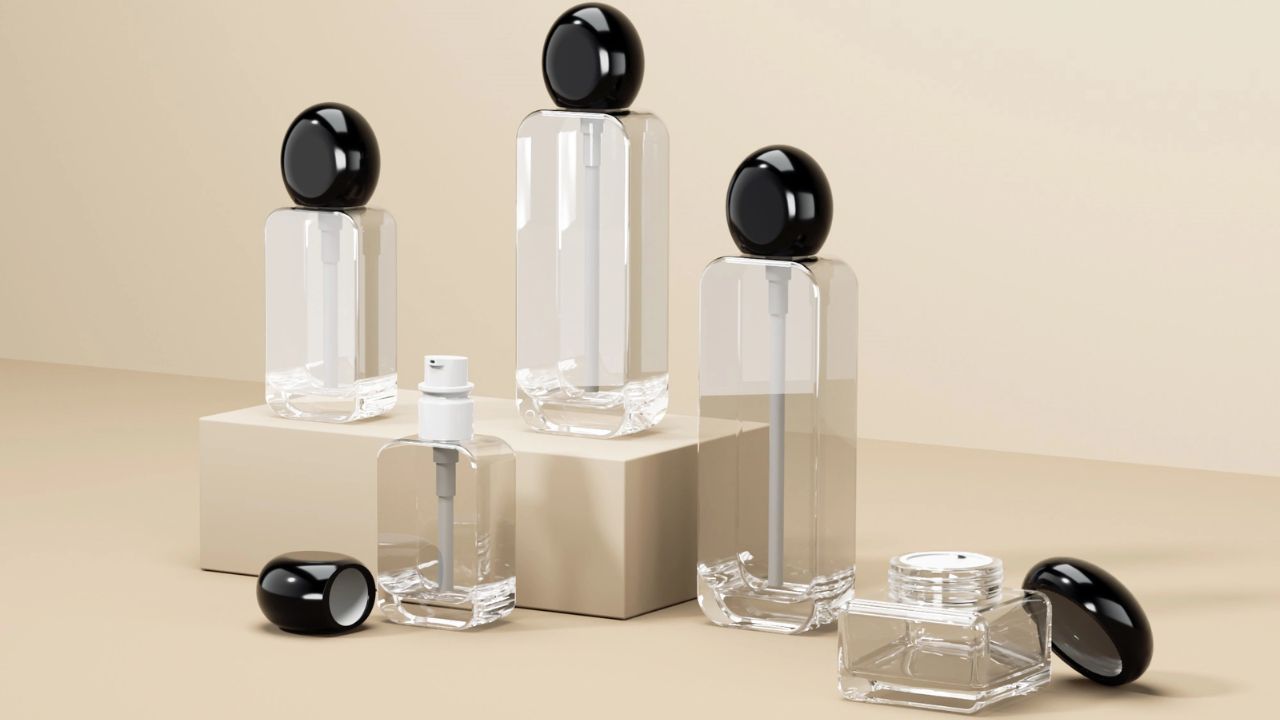
An essential choice for a beauty brand is selecting the appropriate cosmetic packaging. Packaging does not simply consist of containing a formula but determines the way the customers perceive the product, how it functions in the process of usage, and how easily it transfers between the factory and the shelf. One of the primary questions when developing a brand is which to use, either custom cosmetic packaging or standard, ready-made packaging. The ukpackchina.com helps brands choose the right cosmetic packaging solution. The strengths of each option are different, and the correct one will be based on the objectives of the brand, its budget, and the level of development.
Understanding Standard Cosmetic Packaging
Standard cosmetic packaging is that of bottles, jars, tubes, and pumps that are already designed, tooled, and can be produced. These are typically predefined packs with fixed size, shape, and features, and their features are not customizable. Colors, decoration, or labeling can be customized by the brands, but the structure is the same.
Standard packaging is a quicker and less complicated way of gaining market penetration for many brands. Given that molds are already available, the development of tooling is unnecessary, thus it saves upfront costs and leads to minimized lead times. This renders standard packaging particularly appealing to new ventures, test markets, seasonal products, or companies that would like to test a formula first before committing a lot of money.
Standard packaging is also viable in instances where time is limited. Since the designs are proven, the manufacturers will go into sampling and production in one swoop, eliminating the chances of incurring unforeseen delays. The downside, however, is that the packaging can resemble that of the competitors, and it becomes difficult to make a brand presence among all those on the shelf.
What Custom Cosmetic Packaging Offers
Specifically, custom cosmetic packaging is developed and built around a brand. This may include designing a totally new shape of the bottle, an original pump or cover, or a design that fits a certain formula better. Individual packaging gives brands complete control over all aspects, including proportions and ergonomics, material selection, and decoration methods.
Custom packaging can also be a strong weapon in the hands of established brands or those who want to occupy a high or niche position in the market. The individual pack also supports the brand recognition and develops a familiar appearance that is regarded by customers as a quality and reliable product. The functionality can also be enhanced by custom designs, including increased dosing, enhanced protection of sensitive formulas, or making it more convenient to use in day-to-day activities.
Custom packaging can be more liberated, but it will demand a more substantial initial investment. The process involves tooling expenses, extended development cycles, and numerous sampling cycles. The brands should also be transparent when it comes to their volume predictions, since custom molds tend to be more reasonable in case production volumes are not decreasing or increasing.
Cost and Time Considerations
The issue of cost usually determines the choice between custom and standard packaging. Standard packaging ensures low initial costs as the cost of tooling is distributed among a large number of customers. This simplifies the cash flow management by the brands, particularly at the initial stages.
Custom packaging, on the other hand, transfers more costs at the start of the project. The budget increases with tooling, engineering, and testing, but the unit cost may be competitive in the long run at increased volumes. The other significant factor is time. Standard packaging facilitates faster introduction, whereas custom packaging takes time to plan and be patient during development.
Brand Positioning and Market Strategy
The decision on the custom and standard packaged needs should be in accordance with the brand perception that the brand desires. Standard packaging could fit well with the strategy of brands that compete based on speed, flexibility, or price. Custom solutions tend to work more in brands that are differentiated, tell stories, or have premium experiences.
Sustainability objectives also include packaging. Standard and custom alternatives can accommodate environmental materials or recyclable designs, though custom packaging provides greater flexibility in the case of building mono-material buildings or refillable mono-material systems at the outset.
Conclusion
The decision to adopt either custom or standard cosmetic packaging finally lies on the objectives of a brand, spending capacity, and strategy in the market. Standard packaging, which is quick, cost-efficient, and easy to enter, is suitable in the case of startups, test markets, or seasonal products. Even though custom packaging costs more and takes longer to develop, it offers unparalleled flexibility, brand differentiation and a higher user experience. The hybrid strategy is used by many successful brands, as they use standard packaging with the help of which they offer some products, and unique designs are used in flagship products to solidify the brand identity. When product needs, target audience, and long-term strategy are carefully considered, brands can choose the packaging solution that can contribute to the achievement of growth, recognition, and sustainability goals.