
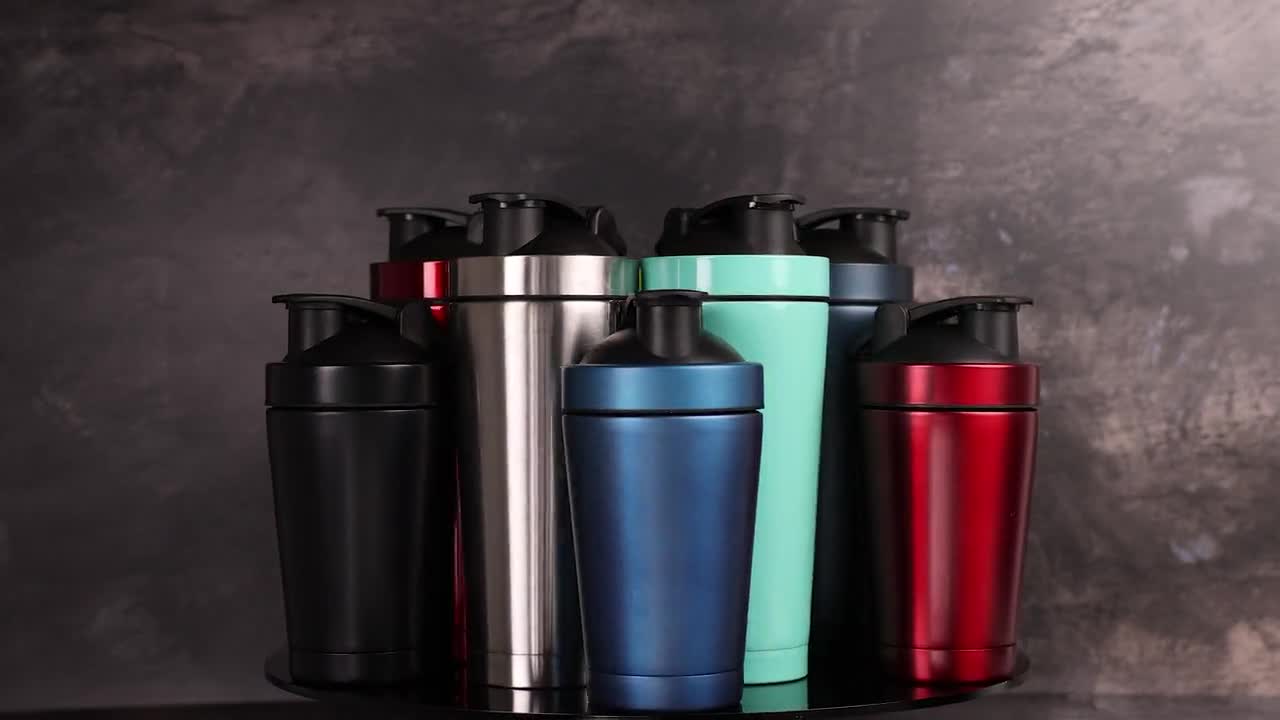



A shaker bottle looks simple, but making it requires many steps. A professional manufacturer follows clear systems to keep quality consistent. Everich operates with organized processes to produce shaker bottles in large volumes. The company focuses on materials, design accuracy, and safe production methods. Each stage in manufacturing has a defined purpose and quality checks. This approach helps maintain stable product standards across different orders. The following sections explain how such a shaker bottle manufacturer runs daily operations.
Material Selection and Preparation
Production begins with choosing safe and suitable raw materials. Most shaker bottles use food-grade plastic or stainless steel. Materials must meet safety standards for drink contact use. Incoming materials are checked before entering the production area. Workers inspect surface condition, thickness, and basic quality features. Approved materials are stored in clean, controlled spaces to prevent dust, moisture, and contamination, reducing issues later in production.
Mold Design and Product Structure
Shaker bottle shapes depend on carefully designed production molds. Engineers create molds based on size, lid type, and mixing needs. Computer tools help ensure accurate shape and measurement details. Mold testing happens before full production begins. Trial runs check wall thickness, threading, and lid fit. Adjustments are made if any issues appear during testing. Well-made molds support stable and repeatable product results. This step is important for a consistent bottle appearance.
Bottle Body Manufacturing Process
Plastic shaker bottles often use injection or blow molding methods. The molten material is pressed into molds. Machines control temperatures, time, and cooling processes. These restraints assist in maintaining the body of each bottle as consistent. Bottles are molded, then cooled and taken off the molds. Employees then cut unwanted material on the edges. The bodies are inspected for cracks, uneven surface or deformity. Only selections pass to the subsequent phase.
Lid and Cap Production
Lids and caps are made in separate but connected processes. These parts also use molding machines with precise settings. Threading accuracy is very important for leak resistance. Sealing rings or silicone parts may be added to lids. These components improve tight closure during shaking and movement. Lids go through visual and fitting inspections after molding. Sample testing checks whether the lids screw on smoothly. Proper lid production prevents leakage complaints later.
Mixing Ball and Accessory Assembly
Many shaker bottles include a mixing ball or blending insert. These parts are usually made from stainless steel wire. The wire is shaped into round forms using bending machines. Surface checks ensure no sharp edges remain on the ball. Accessories must fit well inside the bottle without damage. Each accessory type has its own inspection steps. Clean handling is important because items come into contact with drinks directly. Approved accessories move to the assembly section.
Printing and Branding Processes
Brand logos or measurement marks may be printed on bottles. Printing methods include screen printing or heat transfer techniques. Surfaces are cleaned before printing begins. Ink quality and placement accuracy are monitored closely. Samples are tested for rubbing and washing resistance. Clear markings help users measure liquids correctly. Consistent printing also supports brand identification on store shelves. Defective prints are removed before final packing.
Assembly and Functional Testing
Bottle bodies, lids, and accessories meet at the assembly line. Workers or machines combine all parts into finished products. Random samples go through leak testing with water. Bottles may be shaken to check seal performance. The fit between the lid and the body is tested repeatedly. Proper assembly ensures each part works together smoothly. Faulty units are separated for rework or disposal. This stage confirms that the bottle performs as expected.
Cleaning and Hygiene Control
Clean conditions are essential in drinkware manufacturing, following hygiene rules for workers and equipment. Surfaces are cleaned regularly, and employees wear gloves, caps, and clothing. Dust control keeps the air clean. Final goods are carefully processed to prevent contamination, with clean processes ensuring safe use when bottles arrive at customers.
Final Inspection and Packaging
Final visual inspections on products are done before they are packed. Scratches, color discrepancies or printing defects are some of the holes that inspectors search for. Approved bottles are put in protective packages or boxes. With inner packaging, transportation is minimized. Shipping is done using outer cartons. Tracking labels and product labels are added. Good packaging will preserve goods in the course of transportation over great distances.
Conclusion
Manufacturing shaker bottles involves many steps, from raw materials to final packing. Mold accuracy, careful molding, and lid precision impact performance. Printing, assembly, and testing ensure quality. Clean production and strong packaging preserve the drinkware. Ongoing checks maintain standards in large-scale production, demonstrating how organized manufacturing ensures a reliable supply.